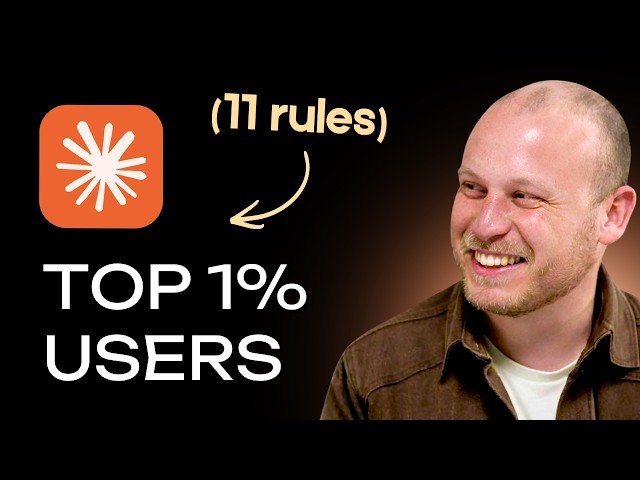
A concise summary of 11 principles by Boris Cherny for using Claude Code and AI effectively. Covers validation, goal-based prompts, model selection, periodic cleanup, code hygiene, multi-agent workflows, persistent instruction storage, task triage, maintaining quality, avoiding expertise bias, and practical non-code uses. Practical, non-technical guidance to boost productivity and reliability when integrating AI into workflows.
- Autonomy & validation: Let Claude check its own work via tests, screenshots, or browser checks. Provide the goal, guardrails, and completion criteria instead of step-by-step instructions.
- Cost, quality & maintenance: Prefer higher-quality models to reduce rework; delete and refresh prompts/skills every six months; keep the same quality bar for AI outputs as for humans using automated review loops.
- Scaling & workflow: Run multiple instances or agents in parallel (round-robin or many workers for big tasks). Classify tasks as easy/medium/hard to choose the appropriate level of oversight and planning.
- Habits & reuse: Maintain clean code and project structure because Claude mirrors what it sees; save corrections as persistent instructions so mistakes are never repeated; be open to novice approaches—experience can sometimes limit solutions. Also apply these tools to personal tasks like bookings.
Quotes:
The expensive model is the cheap one.
Every 6 months delete your setup.
Experience now is a handicap.
Statistics
| Upload date: | 2026-08-15 |
|---|---|
| Likes: | 8 |
| Comments: | 2 |
| Statistics updated: | 2026-08-16 |
Specification: Use Claude Code Like The Top 1% (11 Rules From Its Creator)
|

Use Claude Code Like The Top 1% (11 Rules From Its Creator)